Why Energy Feels Different with Chronic Illness
Living with a chronic condition often means your body is constantly working harder behind the scenes. Inflammation, immune responses, and recovery processes all require energy, leaving you with less available for daily life.
“On hard days, the goal isn't a perfect plate. The goal is the next plate at all.”
The Connection Between Food and Energy
Food provides more than calories—it provides the nutrients your body needs to function efficiently. The right balance of nutrients helps stabilize blood sugar, reduce inflammation, and support energy production at a cellular level.
5 Nutrition Strategies to Support Your Energy
1. Balance Your Blood Sugar
Combine protein, healthy fats, and complex carbohydrates to avoid energy crashes.
Example: oats with nuts and berries.
2. Focus on Anti-Inflammatory Foods
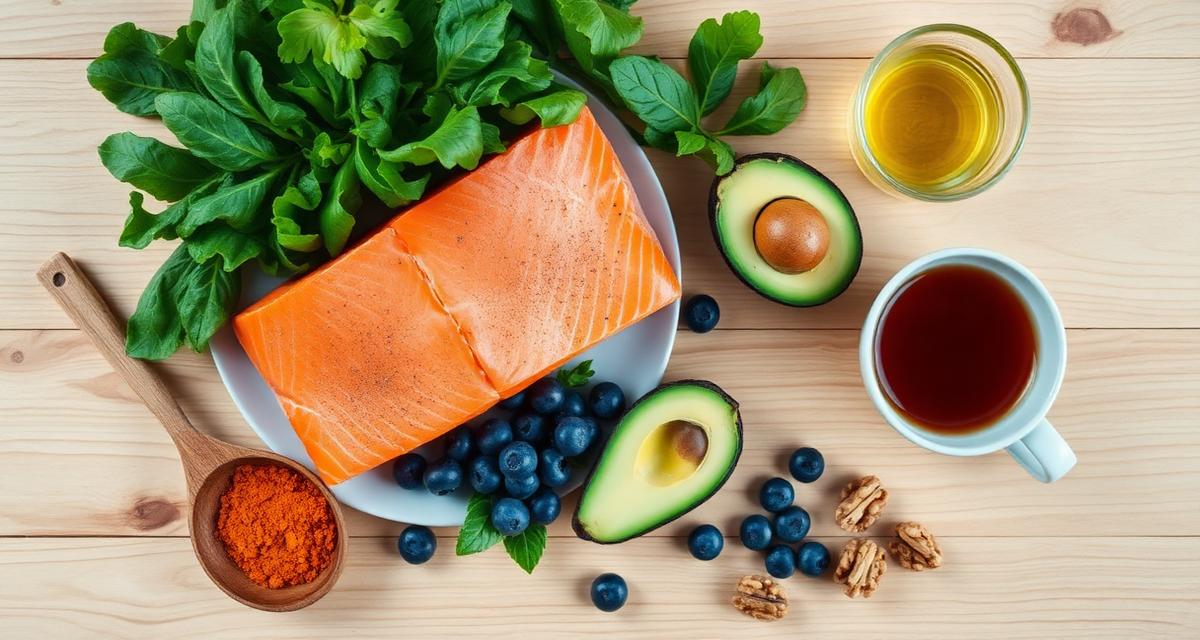
Include leafy greens, olive oil, fatty fish, and spices like turmeric. Limit processed foods and sugar.
3. Don't Skip Meals
Eat small, frequent meals to maintain steady energy levels, especially on low-energy days.
4. Support Your Gut Health
Include fermented foods, fiber-rich vegetables, and probiotics to support digestion and immunity.
5. Stay Hydrated
Even mild dehydration can worsen fatigue. Drink water consistently throughout the day.
What About Caffeine?
Caffeine can provide a short boost but may lead to crashes. Always pair coffee with food and avoid relying on it as your main energy source.
A Gentle Approach to Eating
Focus on small, sustainable improvements instead of strict diets. Consistency matters more than perfection.
Final Thoughts
Nutrition won't cure chronic illness, but it can significantly support your energy, improve daily function, and help you feel more in control.
Looking for simple meals that support your energy? Explore our easy healthy recipes.
Browse Easy Healthy RecipesSources & Further Reading
WellMixLife articles are written for educational and lifestyle purposes using publicly available wellness and nutrition resources. For medical concerns, diagnoses, allergies, supplements, medications, or treatment decisions, always consult qualified healthcare professionals or official medical authorities.
- Mayo Clinic— Chronic fatigue syndrome
- Cleveland Clinic— Anti-inflammatory diet — what to know
- Harvard T.H. Chan School of Public Health— Healthy Eating Plate
- Harvard Health— Eating to boost energy
This content is educational only and is not medical advice. Always consult qualified healthcare professionals regarding medical conditions, supplements, allergies, medications, or dietary changes.