How much protein you actually need
The basic adult intake is around 0.8 g per kg of body weight. That’s the amount that prevents deficiency. Most current research suggests something closer to 1.2–1.6 g per kg if you’re active, in your fifties or beyond, recovering from illness, or losing weight. For a 70 kg adult that’s roughly 85–110 g a day — spread across meals, not piled into one shake.
“Protein doesn’t have to be a brick of meat or a scoop of powder. Three thoughtful plates a day, and you’re there.”
The “complete protein” thing — explained without the drama
You need nine essential amino acids. Animal foods carry all nine in one package. Most plants carry all nine too — just not always in the same ratio. The fix is not complicated: eat a variety of plant sources across the day. You do not need to combine them in the same meal. Your body keeps a small pool of amino acids and balances it from whatever you eat in a 24-hour window.
The strongest plant sources to keep in stock
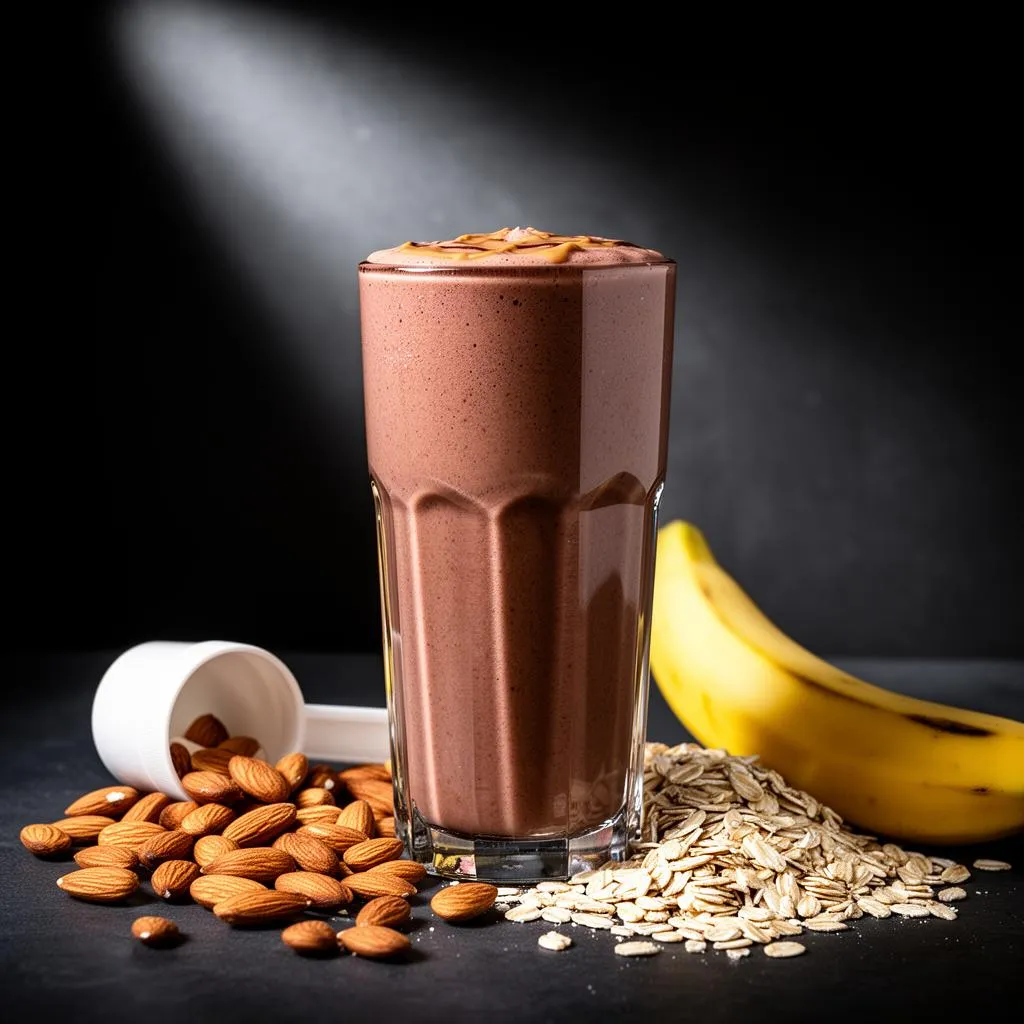
A protein smoothie that doesn’t taste like a supplement
Most plant protein shakes taste chalky because they lean on isolate powder alone. The trick is to build the protein out of food first, then top up with powder if you need it.
Plant Protein Recovery Smoothie
5 minServes 1
Ingredients
- • 200 ml soy milk (the highest-protein plant milk)
- • 150 g silken tofu
- • 1 frozen banana
- • 2 tbsp hemp seeds
- • 1 tbsp almond butter
- • 1 tsp cocoa powder
- • Optional: ½ scoop unflavoured pea protein
Method
- Add liquid first, then tofu, then frozen banana, then dry ingredients on top.
- Blend on high for 60 seconds — silken tofu turns it almost mousse-like.
- Drink within 30 minutes of training if you’re using it for recovery.
Around 30–35 g of complete plant protein per glass.
Where people go wrong
Quick summary
- Aim for 1.2–1.6 g per kg if you’re active or aging.
- Spread it across three meals — don’t cram it into one.
- Variety, not combining at every meal, gives you complete amino acids.
- Soy, lentils, tofu, tempeh, hemp and quinoa do most of the work.
- Plant protein pairs naturally with magnesium-rich foods for recovery.
Frequently asked questions
Is plant protein as effective as whey for building muscle?
Recent trials suggest that when total daily protein is matched, plant protein supports muscle growth comparably to whey — especially soy and pea blends. The difference shows up only when intake is too low overall.
Do I need a protein powder if I eat plants?
Not necessarily. Powders are a convenience tool. If you cook beans, tofu and grains regularly, food alone is usually enough. Powder helps on training days or busy weeks.
What about beans and bloating?
Most bloating from beans eases as your gut microbiome adapts. Start with smaller portions, rinse canned beans well, and lean on lentils and tofu — they tend to be gentler.
Want a week of plant-protein recipes that don’t feel like a compromise? The Protein Smoothies guide is built around real-food sources first.
See the Protein Smoothies guideSources & Further Reading
WellMixLife articles are written for educational and lifestyle purposes using publicly available wellness and nutrition resources. For medical concerns, diagnoses, allergies, supplements, medications, or treatment decisions, always consult qualified healthcare professionals or official medical authorities.
- U.S. National Academies— Protein and Amino Acids — Dietary Reference Intakes
- Annual Review of Nutrition— Protein intake and human health — review
- Sports Medicine— Plant-based dietary patterns and resistance-training adaptations
- Journal of the International Society of Sports Nutrition— Soy vs whey protein — clinical comparison
This content is educational only and is not medical advice. Always consult qualified healthcare professionals regarding medical conditions, supplements, allergies, medications, or dietary changes.