What Is Inflammation?
Chronic inflammation can drain your energy over time. While short-term inflammation is part of healing, long-term inflammation taxes your body's resources—one reason nutrition matters so much for chronic illness.
“You don't need an “anti-inflammatory diet.” You need a few quiet swaps you can keep up for years.”
Best Anti-Inflammatory Foods
Leafy Greens
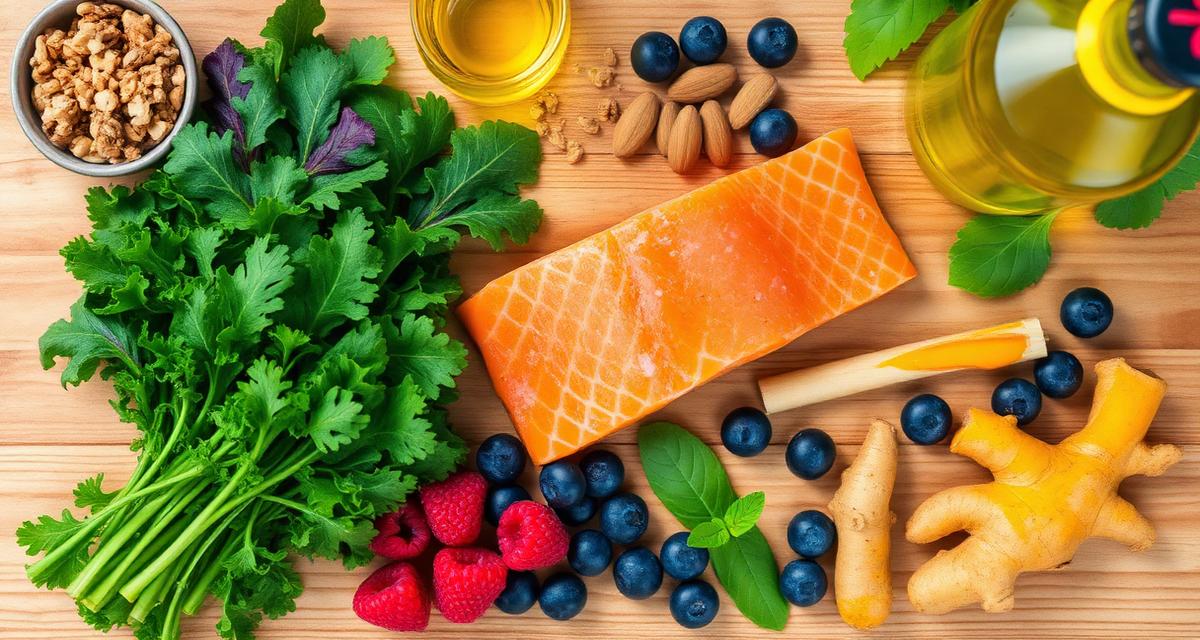
Spinach, kale, and other greens are rich in antioxidants and micronutrients that calm inflammation.
Healthy Fats
Olive oil, nuts, and seeds provide monounsaturated fats and vitamin E that support cellular health.
Fatty Fish
Salmon, sardines, and mackerel are rich in omega-3—one of the most studied anti-inflammatory nutrients.
Berries
Blueberries, raspberries, and strawberries are high in antioxidants that protect cells from oxidative stress.
Spices
Turmeric and ginger have well-documented anti-inflammatory properties. Add them to soups, smoothies, or teas.
Foods to Limit
- Processed foods
- Sugar
- Refined carbs
For fatigue-friendly meal ideas built around these principles, see our easy recipes for low-energy days.
Final Thoughts
Small dietary changes can support long-term energy. Pair these foods with good energy management habits for the best results.
Ready to put it all together with a complete nutrition plan?
Read the Nutrition GuideSources & Further Reading
WellMixLife articles are written for educational and lifestyle purposes using publicly available wellness and nutrition resources. For medical concerns, diagnoses, allergies, supplements, medications, or treatment decisions, always consult qualified healthcare professionals or official medical authorities.
- Harvard Health— Foods that fight inflammation
- Cleveland Clinic— Anti-inflammatory diet — what to know
- Mayo Clinic— Mediterranean diet for heart health
- Harvard T.H. Chan School of Public Health— Vegetables & fruits — what to eat
This content is educational only and is not medical advice. Always consult qualified healthcare professionals regarding medical conditions, supplements, allergies, medications, or dietary changes.