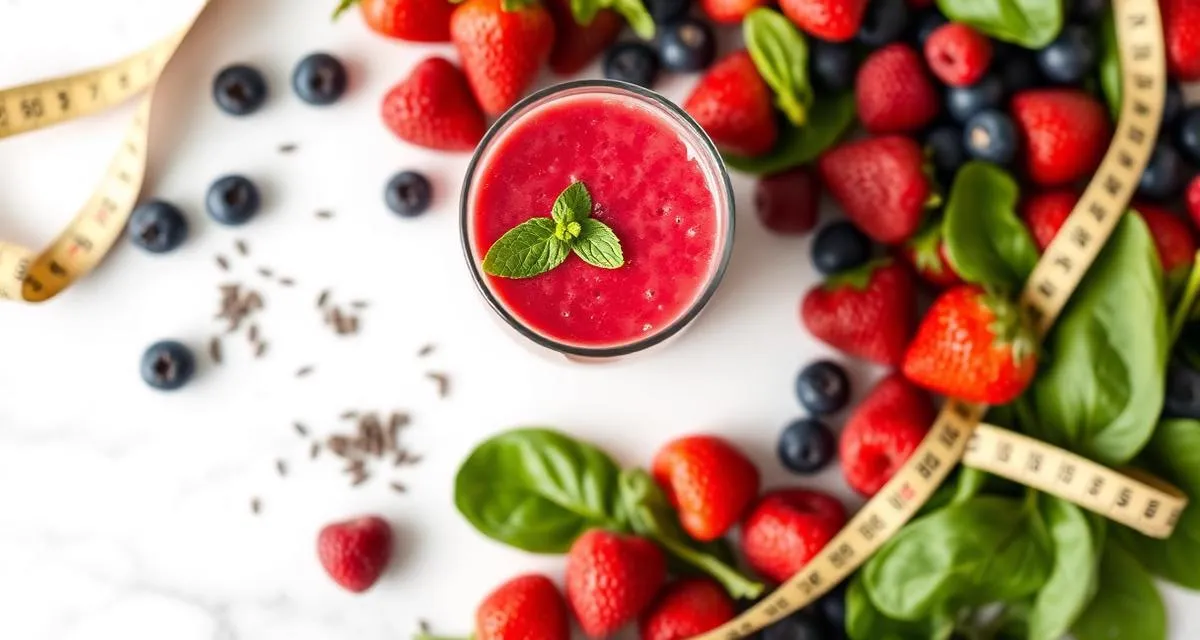
Best Smoothies for Weight Loss: Science-Backed Recipes That Actually Work
Weight loss doesn't have to mean deprivation, bland meals, or counting every calorie. The right smoothie can curb cravings, boost your metabolism, and provide sustained energy throughout the day — all while tasting amazing. But not all smoothies are created equal. Many popular "health" smoothies are secretly loaded with sugar and can actually derail your progress. Here's how to build smoothies that genuinely support your weight loss goals, backed by nutrition science.
Why Smoothies Work for Weight Loss
Smoothies offer a unique advantage for weight management because they allow you to control exactly what goes into your body. Unlike restaurant meals or packaged foods, every ingredient is visible and measurable. A well-designed smoothie provides a precise balance of macronutrients — protein to preserve muscle mass, fiber to keep you satiated, healthy fats to stabilize blood sugar, and micronutrients to support your metabolism.
Research published in the Journal of the American Dietetic Association found that people who regularly consume smoothies as meal replacements tend to have higher overall fruit and vegetable intake and better adherence to calorie goals. The key is ensuring your smoothie is nutrient-dense rather than calorie-dense — a distinction that makes all the difference.
Key Ingredients for Effective Fat-Burning Smoothies
The best weight loss smoothies prioritize satiety and nutrient density over sweetness. Here are the ingredient categories that matter most:
- High-fiber foods: Spinach, kale, chia seeds, flax seeds, and oats keep you feeling full for hours by slowing digestion. Fiber also feeds beneficial gut bacteria, which research increasingly links to healthy weight management.
- Lean protein sources: Greek yogurt (15–20g per cup), hemp seeds, plant-based protein powder, or silken tofu. Protein is the most satiating macronutrient and helps preserve muscle mass during calorie restriction, ensuring most of your weight loss comes from fat rather than muscle.
- Healthy fats: Half an avocado or a tablespoon of almond butter stabilizes blood sugar and prevents the insulin spikes that trigger fat storage. Don't fear fat — it actually helps your body absorb fat-soluble vitamins (A, D, E, K) from the greens in your smoothie.
- Low-glycemic fruits: Berries (blueberries, raspberries, strawberries) and green apples provide sweetness with minimal blood sugar impact. They're also packed with polyphenols that research links to reduced abdominal fat storage.
- Metabolism supporters: Green tea (as a liquid base), cayenne pepper, ginger, and cinnamon have thermogenic properties that can slightly increase calorie expenditure throughout the day.
Common Weight Loss Smoothie Mistakes That Sabotage Your Progress
Many "healthy" smoothies sold at juice bars contain 400–600 calories and 50+ grams of sugar — more than a candy bar. Here are the most common mistakes and how to avoid them:
- Using fruit juice as a base: Orange juice, apple juice, and other fruit juices are essentially liquid sugar without the fiber. Replace with water, unsweetened almond milk, coconut water, or brewed green tea.
- Overdoing the fruit: Three bananas and a cup of mango might taste great, but that's 80+ grams of sugar. Stick to 1 cup of frozen fruit maximum per smoothie, and favor berries over tropical fruits.
- Skipping protein: A fruit-only smoothie will spike your blood sugar, give you a burst of energy, and then leave you ravenous within an hour. Always include at least 15–20g of protein.
- Adding sweetened yogurt or granola: Flavored yogurts can contain as much sugar as ice cream. Use plain Greek yogurt and skip the granola toppings, which add calories without meaningful satiety.
- Ignoring portion size: Even a healthy smoothie can lead to weight gain if you drink 32 ounces at 600 calories. For a meal replacement, aim for 300–400 calories in a 16–20 ounce serving.
When to Drink Your Weight Loss Smoothie for Maximum Results
Timing can amplify the effectiveness of your smoothie habit. Here are the three most strategic times to blend:
As a breakfast replacement: This is the most popular and effective approach. A protein-rich smoothie in the morning prevents the mid-morning energy crash that leads to snacking on processed foods. It also sets a healthy tone for the rest of the day — research shows that people who eat a nutritious breakfast make better food choices at lunch and dinner.
As a post-workout recovery meal: After exercise, your body needs protein for muscle repair and carbohydrates to replenish glycogen stores. A smoothie with protein powder, banana, and berries delivers both quickly and conveniently. Proper post-workout nutrition also prevents the "I earned it" overeating that derails many weight loss efforts. Learn more about post-workout smoothie nutrition.
As an afternoon snack replacement: The 3–4 PM slump is when most people reach for candy, chips, or coffee with sugar. A small 200-calorie smoothie with protein and healthy fat can bridge the gap to dinner without derailing your calorie budget.
The Role of Gut Health in Weight Management
Emerging research highlights the critical connection between gut microbiome diversity and body weight. Smoothies that include prebiotic fiber (from bananas, oats, and leafy greens) and probiotic foods (like kefir or yogurt) support a healthy gut environment. A diverse gut microbiome is associated with better nutrient absorption, reduced inflammation, and improved hormonal signaling that regulates hunger and satiety. Combining your weight loss smoothies with occasional detox smoothie recipes can further support digestive health and create a strong foundation for sustainable weight management.
Building a Sustainable Weight Loss Smoothie Routine
The most effective weight loss strategy is one you can maintain long-term. Here's how to make smoothies a sustainable part of your routine rather than a short-lived diet phase:
Meal prep on weekends: Portion frozen fruit, greens, and dry ingredients into individual freezer bags. On busy mornings, dump a bag into your blender, add liquid and protein, and blend in under two minutes. If you're new to smoothies, this prep method removes all friction from the habit.
Rotate your flavors: Drinking the same smoothie daily leads to boredom and abandonment. Cycle between berry-based, green, tropical, and chocolate-nut butter themes throughout the week. Variety also ensures you get a broader spectrum of micronutrients, which supports metabolic health. Our recipe collections are specifically designed with built-in variety to prevent flavor fatigue.
Get Our Complete Weight Loss Recipe Collection
Our Weight Loss Smoothies guide features 15 calorie-conscious, macro-balanced recipes designed by nutrition experts — each with full nutritional breakdowns and ingredient substitution options. Pair them with our Detox Smoothies for a complete body reset, add Green Smoothies for extra fiber and micronutrients, or get all 135 recipes in the Complete Bundle at the best value.
Start eating healthier today
Download our free 7-day healthy recipe plan and discover how easy it is to put something delicious and nutritious on the table every day.
🔒 We respect your privacy. No spam, just valuable recipes.
Sources & Further Reading
WellMixLife articles are written for educational and lifestyle purposes using publicly available wellness and nutrition resources. For medical concerns, diagnoses, allergies, supplements, medications, or treatment decisions, always consult qualified healthcare professionals or official medical authorities.
- Mayo Clinic— Healthy weight loss — for life
- Harvard Health— Diet & weight loss
- Cleveland Clinic— Are smoothies good for you?
- Mayo Clinic— Dietary fibre — essential for a healthy diet
This content is educational only and is not medical advice. Always consult qualified healthcare professionals regarding medical conditions, supplements, allergies, medications, or dietary changes.