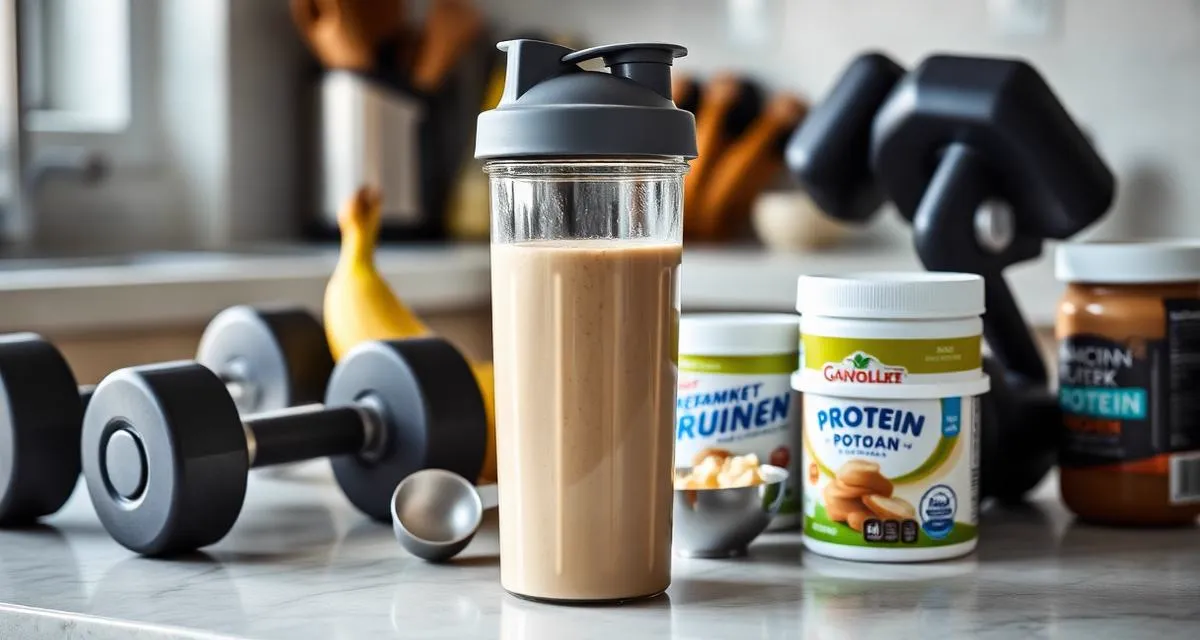
Protein Smoothies for Muscle Recovery: The Complete Post-Workout Nutrition Guide
What you consume after a workout is just as important as the workout itself. Your muscles don't grow during exercise — they grow during recovery. Protein smoothies deliver fast-absorbing nutrients that repair damaged muscle fibers, reduce post-exercise soreness, replenish glycogen stores, and prepare your body for the next training session. Whether you're a casual gym-goer, a dedicated runner, or a serious strength athlete, understanding post-workout nutrition can dramatically accelerate your results and reduce your risk of injury.
The Science of Muscle Recovery and Protein Synthesis
During exercise — especially resistance training, HIIT, or endurance work — muscle fibers undergo microscopic damage. This is normal and actually desirable: it's the trigger that tells your body to rebuild those fibers stronger and larger than before. But this rebuilding process (called muscle protein synthesis, or MPS) requires raw materials, primarily amino acids from dietary protein.
Research published in the Journal of the International Society of Sports Nutrition shows that consuming 20–40 grams of high-quality protein within 2 hours post-workout maximizes muscle protein synthesis. The "anabolic window" isn't as narrow as gym culture once suggested, but getting protein relatively soon after training does provide measurable benefits — especially if your last meal was several hours ago.
Beyond protein, your body also needs carbohydrates to replenish glycogen (your muscles' primary fuel source during high-intensity exercise), anti-inflammatory compounds to reduce excessive post-exercise inflammation, and adequate hydration to support nutrient transport and waste removal. A well-designed recovery smoothie delivers all of these in a single, easily digestible serving.
Best Protein Sources for Recovery Smoothies
Not all protein sources are equally effective for post-workout recovery. Here are the best options ranked by bioavailability, amino acid profile, and practical smoothie compatibility:
- Greek yogurt: Provides 15–20g of protein per cup along with probiotics that support gut health and nutrient absorption. The combination of casein and whey proteins in yogurt delivers both fast-absorbing amino acids for immediate recovery and slow-digesting protein for sustained muscle building over several hours.
- Plant-based protein powder: Pea protein, rice protein, or hemp protein blends typically deliver 20–25g of protein per scoop. Modern plant protein formulations combine multiple sources to provide a complete amino acid profile rivaling whey. Look for products with at least 2g of leucine per serving — the amino acid that triggers muscle protein synthesis.
- Hemp seeds: A complete protein source (all 9 essential amino acids) that also provides anti-inflammatory omega-3 fatty acids. Three tablespoons deliver approximately 10g of protein. Hemp seeds blend smoothly and add a subtle nutty flavor that pairs well with banana and chocolate smoothies.
- Peanut or almond butter: Each tablespoon provides roughly 4g of protein plus 8g of heart-healthy monounsaturated fats. Nut butters add creaminess, flavor, and satiety — helping you feel satisfied rather than hungry after your workout smoothie.
- Silken tofu: An underrated smoothie ingredient that blends completely smooth, adding 8g of protein per half cup with virtually no flavor of its own. Silken tofu creates an incredibly creamy texture that mimics a milkshake consistency — perfect for those who want thickness without dairy.
- Cottage cheese: Blended cottage cheese has become popular in the fitness community for good reason: half a cup provides 14g of protein (mostly casein for sustained release) and blends smoother than you'd expect. It's excellent in berry or tropical smoothie bases.
The Ideal Post-Workout Smoothie Formula
Follow this evidence-based framework to build the perfect recovery smoothie every time:
The Recovery Smoothie Blueprint:
- Liquid base (1 cup): Milk, coconut water (great for electrolyte replacement), or water
- Protein (20–30g): 1 scoop protein powder, ½ cup Greek yogurt, or a combination of hemp seeds and nut butter
- Fast carbs (30–40g): 1 banana and/or ½ cup oats to replenish glycogen stores
- Anti-inflammatory boost: ½ tsp turmeric with black pepper, 1 cup tart cherries (proven to reduce DOMS), or 1 tbsp ginger
- Healthy fat (5–10g): 1 tbsp nut butter, ½ avocado, or 1 tbsp flax oil for hormone support and sustained satiety
This formula delivers approximately 400–500 calories with an optimal 2:1 carb-to-protein ratio for recovery — exactly what sports nutrition research recommends.
Recovery Nutrition Beyond Protein: Anti-Inflammatory Ingredients
While protein gets most of the attention, managing post-exercise inflammation is equally important for recovery. Some inflammation after exercise is normal and necessary for adaptation, but excessive inflammation delays recovery, increases soreness, and raises injury risk. These smoothie ingredients have strong evidence for reducing exercise-induced inflammation:
- Tart cherry juice: Multiple studies show tart cherry juice reduces delayed-onset muscle soreness (DOMS) by 30–50% and speeds strength recovery after intense exercise. Add ½ cup to any recovery smoothie.
- Turmeric with black pepper: Curcumin is one of nature's most potent anti-inflammatory compounds. Research shows it reduces exercise-induced muscle damage markers and perceived soreness. The piperine in black pepper increases curcumin absorption by 2,000%.
- Blueberries: Rich in anthocyanins — powerful antioxidants that reduce oxidative stress and accelerate muscle recovery. One study found that consuming blueberries before and after exercise significantly reduced inflammation markers.
- Omega-3 fatty acids: Found in chia seeds, flax seeds, hemp seeds, and walnuts. Omega-3s help resolve exercise-induced inflammation through specialized pro-resolving mediators (SPMs), a process that accelerates the transition from inflammation to repair.
Timing Your Recovery Smoothie for Maximum Benefit
The optimal window for post-workout nutrition depends on your training intensity and when you last ate:
If you trained fasted or it's been 3+ hours since your last meal: Consume your recovery smoothie within 30–60 minutes post-exercise. In this scenario, your body has limited circulating amino acids and glycogen is significantly depleted, making rapid nutrition genuinely important.
If you ate 1–2 hours before training: You have more flexibility. Amino acids from your pre-workout meal are still being absorbed and utilized. Aim to have your smoothie within 2 hours, but don't stress about getting it down immediately.
For endurance athletes (running, cycling, swimming): Glycogen replacement is your top priority. Emphasize the carbohydrate component of your smoothie — a larger banana, more oats, or adding honey. The 2:1 carb-to-protein ratio is especially critical for endurance recovery to fuel your next session. For sustained energy throughout the day, consider adding adaptogenic ingredients like maca to your post-workout blend.
Common Recovery Nutrition Mistakes
Even well-intentioned athletes make these mistakes that slow their recovery and limit their results:
- Skipping post-workout nutrition entirely: "I'll eat later" after a hard workout means missed recovery opportunity and potentially more muscle breakdown than necessary.
- All protein, no carbs: Your muscles need glycogen as much as they need amino acids. Skipping carbs after training limits your recovery capacity and performance in subsequent workouts.
- Using only fast-digesting protein: While fast protein (whey) is great immediately post-workout, combining it with slower-digesting sources (casein from yogurt, plant proteins) extends the muscle-building window for hours. If you're new to making smoothies, start with simple Greek yogurt-based recipes and build from there.
- Overdoing it on calories: A 1,000-calorie "recovery" smoothie after a 300-calorie workout means a net calorie surplus. Match your recovery nutrition to your training intensity and body composition goals.
Get 15 Complete Recovery Recipes Designed by Nutrition Experts
Our Protein Smoothies guide includes 15 expertly crafted recovery recipes — each with complete macronutrient breakdowns, ingredient alternatives for dietary restrictions, and timing recommendations. Pair with our Energy Smoothies for pre-workout fuel, or get the Complete Bundle with all 135 recipes across 9 goal-specific collections at the best price.
Start eating healthier today
Download our free 7-day healthy recipe plan and discover how easy it is to put something delicious and nutritious on the table every day.
🔒 We respect your privacy. No spam, just valuable recipes.
Sources & Further Reading
WellMixLife articles are written for educational and lifestyle purposes using publicly available wellness and nutrition resources. For medical concerns, diagnoses, allergies, supplements, medications, or treatment decisions, always consult qualified healthcare professionals or official medical authorities.
- Harvard T.H. Chan School of Public Health— Protein — moving closer to centre stage
- Harvard Health— Eating to recover from exercise
- Cleveland Clinic— Are smoothies good for you?
- Mayo Clinic— Exercise — 7 benefits of regular physical activity
This content is educational only and is not medical advice. Always consult qualified healthcare professionals regarding medical conditions, supplements, allergies, medications, or dietary changes.