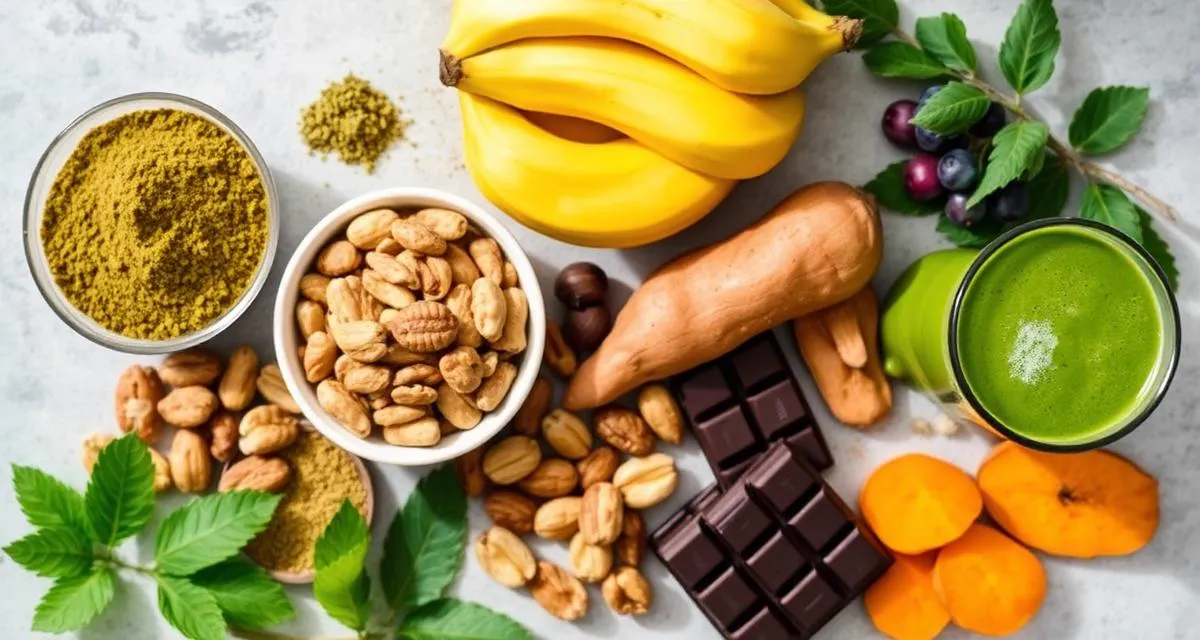
Natural Energy Boosting Foods: How to Fuel Your Body Without Caffeine Crashes
Feeling sluggish by midday? Reaching for your third cup of coffee only to crash harder an hour later? You're not alone. Millions of people rely on caffeine and sugar for energy, creating a cycle of spikes and crashes that leaves them more tired than before. The good news: nature offers powerful, sustainable alternatives. From ancient superfoods to everyday fruits and seeds, the right foods can provide clean, lasting energy without the jitters or withdrawal headaches.
Understanding How Your Body Creates Energy
Before diving into specific foods, it helps to understand why some foods energize you while others leave you dragging. Your body converts food into ATP (adenosine triphosphate) — the molecule that powers every cell. This conversion depends on three key factors:
- Blood sugar stability: Foods that spike blood sugar rapidly (refined carbs, sugar) provide a quick burst followed by a crash. Foods that release glucose slowly (complex carbs, fiber, protein) provide steady, sustained energy.
- Micronutrient availability: B vitamins, iron, magnesium, and CoQ10 are essential cofactors in energy production. Deficiency in any of these leads to chronic fatigue, even if you're eating enough calories.
- Mitochondrial health: Your mitochondria are the powerhouses of your cells. Antioxidant-rich foods protect them from oxidative damage, keeping energy production efficient as you age.
The best energy foods address all three factors simultaneously — providing slow-release carbohydrates, essential micronutrients, and protective antioxidants. That's why whole foods consistently outperform energy drinks and caffeine pills for sustainable vitality.
The 7 Most Powerful Natural Energy Foods
Maca Powder
An adaptogenic root from Peru that helps your body manage stress and balance hormones. Unlike stimulants, maca doesn't spike cortisol — it helps your adrenal glands function more efficiently. Studies show it improves endurance, mood, and sustained energy without disrupting sleep. Start with 1 teaspoon per smoothie and work up to 1 tablespoon.
Matcha Green Tea
Provides calm, focused energy through a unique combination of L-theanine (an amino acid that promotes relaxation) and gentle caffeine. Unlike coffee, which hits you all at once, matcha releases energy slowly over 4–6 hours. It also contains catechins — powerful antioxidants that support metabolism and cellular health.
Bananas
Nature's perfect energy bar. Bananas are packed with potassium (which prevents muscle fatigue), vitamin B6 (essential for energy metabolism), and natural sugars paired with fiber for steady release. A single banana provides roughly 30 minutes of sustained exercise fuel, making it the ideal pre-workout smoothie base.
Oats
Complex carbohydrates that release energy slowly throughout the morning. Oats are also rich in beta-glucan fiber, which feeds beneficial gut bacteria and helps regulate blood sugar. Adding 2–3 tablespoons of rolled oats to your smoothie creates a thicker, more filling blend that sustains you for hours.
Spirulina
A blue-green algae that's one of the most nutrient-dense foods on Earth. It contains 60% complete protein by weight, plus iron, B12, and chlorophyll. Iron deficiency is one of the most common causes of fatigue, especially in women — just 1 teaspoon of spirulina provides significant iron alongside vitamin C from fruit for optimal absorption.
Chia Seeds
These tiny seeds deliver a powerful combination of omega-3 fatty acids, complete protein, and soluble fiber. When mixed with liquid, they form a gel that slows digestion and provides steady energy release over several hours. The Aztecs reportedly used chia as an endurance food for long-distance runners — and modern research supports their choice.
Raw Cacao
Contains theobromine — a gentler, longer-lasting stimulant than caffeine that elevates mood without the jitters. Cacao is also the richest food source of magnesium, a mineral involved in over 300 enzymatic reactions including energy production. A tablespoon of raw cacao powder in your smoothie tastes like chocolate while delivering genuine nutritional benefits.
How to Combine Energy Foods in Smoothies
The easiest and most effective way to incorporate multiple energy foods is through smoothies. A single blend can combine three or four superfoods that would be difficult to eat separately — banana with maca and cacao, or spinach with spirulina and chia — creating a potent energy drink that tastes great and keeps you going for hours.
The key to a great energy smoothie is layering different energy mechanisms. Combine a quick-energy source (banana or dates), a sustained-energy source (oats or chia seeds), and an adaptogenic or micronutrient-rich superfood (maca, spirulina, or matcha). This layered approach provides both immediate and long-lasting energy without any single ingredient dominating.
For those who are new to smoothie-making, start simple: a banana, a tablespoon of oats, a teaspoon of maca, and almond milk. As you get comfortable, add spirulina, chia seeds, or cacao to create more complex and nutritionally complete blends.
Lifestyle Habits That Multiply Your Energy
While food is a powerful energy lever, it works best as part of a holistic approach. These habits amplify the effects of energy-boosting nutrition:
- Hydration: Even mild dehydration (1–2% body weight) reduces cognitive function and physical energy by up to 25%. Start your day with water before coffee — and use coconut water or plain water as your smoothie base for added hydration.
- Sleep quality: No superfood can compensate for chronic sleep deprivation. Aim for 7–9 hours and consider an evening smoothie with magnesium-rich ingredients (cacao, spinach) to support sleep quality. Check out our Sleep Smoothies guide for recipes designed for better rest.
- Movement: Counterintuitive as it sounds, moderate exercise increases energy levels. A 20-minute walk followed by an energy smoothie is more effective than any energy drink on the market.
- Stress management: Chronic stress depletes B vitamins, magnesium, and adrenal function — all critical for energy. Adaptogenic foods like maca help, but they work best alongside stress-reduction practices like deep breathing, time in nature, or meditation.
When to Avoid Natural Energy Foods
While these foods are generally safe and beneficial, there are situations where caution is warranted. Matcha and cacao both contain mild stimulants — avoid them in the evening if you're sensitive to caffeine. Spirulina can interact with blood-thinning medications, so consult your doctor if you're on any prescriptions. Maca may affect hormone-sensitive conditions, so check with a healthcare provider if you have thyroid issues or hormonal conditions. And as always, if fatigue is persistent and unexplained, see a medical professional to rule out underlying conditions like anemia, thyroid disorders, or sleep apnea.
Explore Our Complete Energy Recipe Collections
Our Energy Smoothies collection features 15 expert-crafted recipes built around these superfoods — each with complete ingredient lists, nutritional information, and prep tips. For an immune boost alongside your energy, try our Immunity Smoothies. If you're also working on weight management, many of these energy foods double as metabolism supporters. Browse all our recipe guides to find the perfect collection for your goals.
Start eating healthier today
Download our free 7-day healthy recipe plan and discover how easy it is to put something delicious and nutritious on the table every day.
🔒 We respect your privacy. No spam, just valuable recipes.
Sources & Further Reading
WellMixLife articles are written for educational and lifestyle purposes using publicly available wellness and nutrition resources. For medical concerns, diagnoses, allergies, supplements, medications, or treatment decisions, always consult qualified healthcare professionals or official medical authorities.
- Harvard Health— Eating to boost energy
- Harvard T.H. Chan School of Public Health— Vegetables & fruits — what to eat
- Mayo Clinic— Water — How much should you drink every day?
- Harvard T.H. Chan School of Public Health— Healthy Eating Plate
This content is educational only and is not medical advice. Always consult qualified healthcare professionals regarding medical conditions, supplements, allergies, medications, or dietary changes.